Dunellen General Contractor for Home Improvement and New Construction
Dunellen General Contractor for Home Improvement and New Construction
Blog Article
Why Selecting the Right General Contractor Is Crucial for Your Project
Picking the right general contractor is a key decision that can substantially affect a project's achievement. A appropriate contractor guarantees efficient management and adherence to cost constraints. Their ability to navigate challenges and maintain clear interaction is critical. However, many development parties disregard vital aspects in this selection stage. Understanding these elements can result in better achievements and enhanced pleasure. What should one consider when taking this major choice?
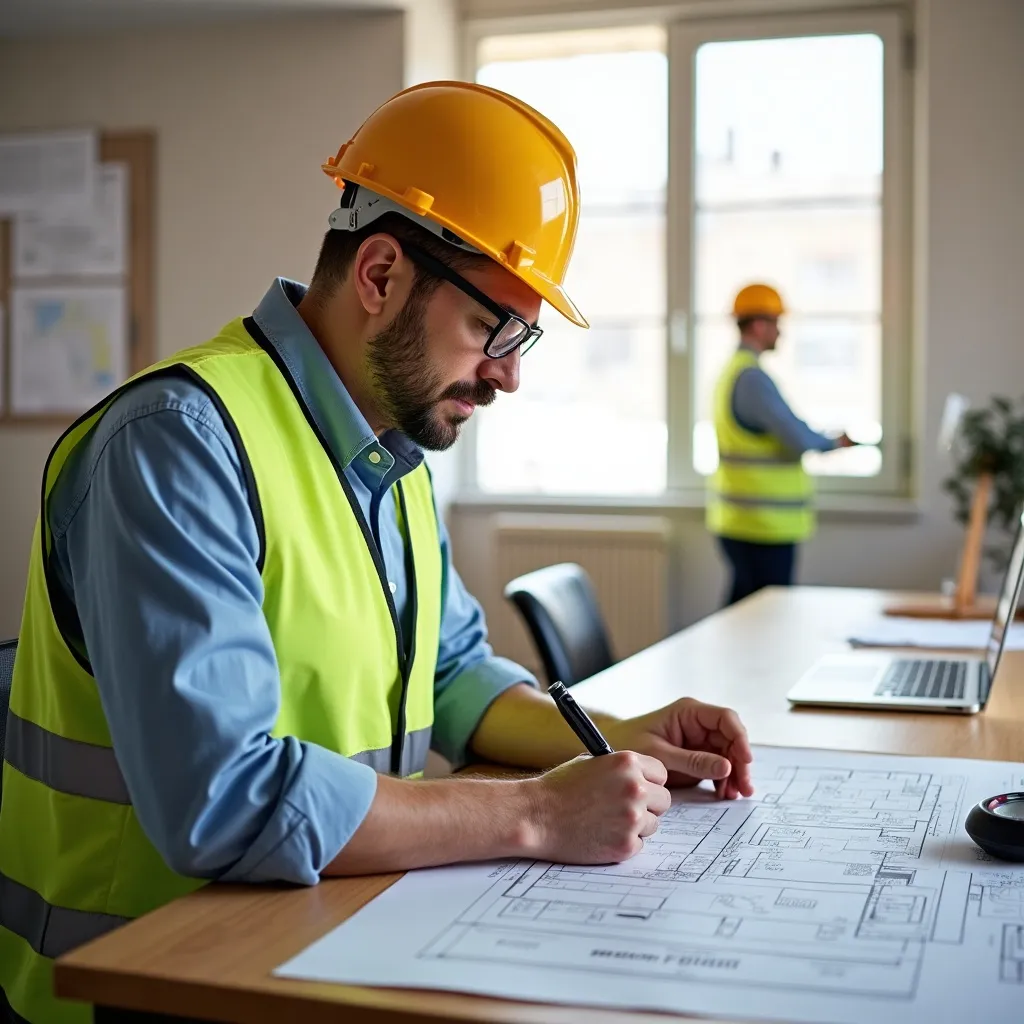
Usual Issues in Finding a General Contractor
When choosing a building contractor, prospective customers often face numerous typical difficulties that can complicate the selection process. One major obstacle is the vast quantity of choices on offer, which can result in uncertainty and hesitation. Customers may struggle to distinguish among contractors based on credentials, background, and cost, making it difficult to identify who will best satisfy their construction requirements.
An additional challenge is the opaqueness in contractor bids, where concealed expenditures may emerge later, impacting the project expenditure. Additionally, clients may struggle with communication-related issues; some contractors may fail to provide regular updates across the engagement, inducing frustration. At last, clients often grapple with authenticating a contractor's references and past work, which can bring about uncertainty about the service caliber anticipated. These challenges necessitate intentional analysis and examination to make certain the right choice is made.
The Significance of a Reputable Project Manager
A reliable general contractor plays an essential role in ensuring project management productivity and maintaining quality assurance guidelines. Their expertise discover details on helps optimize processes, minimizing delays and costs. Additionally, a trustworthy contractor upholds excellence, resulting in excellent workmanship and client satisfaction.
Improve Project Management Performance
Effective project management depends on the trustworthiness of a general contractor. A trustworthy contractor ensures that timelines are met, resources are distributed effectively, and communication flows seamlessly among all stakeholders. Their skill in managing subcontractors, suppliers, and laborers directly impacts the project's progress and overall success. A reliable contractor anticipates challenges, implements solutions promptly, and maintains focus on the project goals, minimizing setbacks and budget excesses. This effectiveness creates a cooperative atmosphere that enables modifications and enhancements when required. Ultimately, the general contractor's reliability improves both the functional parts of the project and the trust shared by clients and team members, ensuring all parties stay aligned towards a favorable result.
Quality Verification Standards
Dependable general contractors play a key role in ensuring quality control during the entire project. They make sure that every task complies with established guidelines and industry best practices, which remains essential to the durability and safety of the structure. A competent contractor holds strict oversight over materials and workmanship, performing regular inspections to detect and correct problems quickly. This proactive approach minimizes risks linked to inferior construction, ultimately protecting the investment. Furthermore, a reliable contractor facilitates communication among all stakeholders, guaranteeing clear and fulfilled expectations. By focusing on quality assurance, a skilled general contractor not only improves the end product but also builds trust with clients, laying the groundwork for successful project results.
Evaluating a Service Provider's Background and Track Record
When choosing a general contractor, comprehending their background and track record is critical, as these factors greatly influence project results. A contractor's experience typically demonstrates their capability to handle various kinds of projects, complexities, and obstacles. Examining their body of work offers perspective into past work, showcasing craftsmanship and meticulousness.
Moreover, standing plays a critical role in establishing trust. Prospective clients should look for online reviews, testimonials, and references to ascertain satisfaction levels from previous clients. Consulting with past customers can demonstrate the contractor's reliability, communication skills, and adherence to timelines and budgets.
Moreover, industry affiliations and certifications can enhance a contractor's authenticity, conveying a devotion to superior work and ethical practices. By rigorously assessing both proficiency and reputation, clients can make informed decisions, ultimately creating the conditions for a outstanding construction project.
Essential Characteristics of a Dependable Contractor
A reliable contractor regularly exhibits honesty, transparency, and strong communication skills. These vital traits create the foundation of a prosperous working relationship. Honesty guarantees the contractor conforms to moral standards, providing honest assessments and practical timelines. Transparency involves fully disclosing project details, encompassing expenses and potential challenges, fostering confidence between the contractor and the customer.
Excellent interpersonal abilities permit the contractor to effectively convey ideas, comprehend client expectations, and resolve any issues that emerge during the project. In addition, a trustworthy contractor exhibits adaptability, adjusting to modifications and unexpected circumstances with composure and resilience. Attention to detail is another important trait; it reflects a commitment to excellence and accuracy in every element of the work. Ultimately, these traits not only enhance project outcomes but also contribute to a positive relationship for clients, making the selection of a dependable contractor all the more critical.
Important Queries for Finding Your General Contractor?
How can a person ensure they pick the right general contractor for their project? By posing a set of specific questions, potential clients can more effectively assess candidates. To begin, inquiring about the contractor's experience with comparable work gives insight into their expertise. It's also crucial to request for references; speaking with previous clients can show the contractor's reliability and work quality.
Following this, examining licensing and insurance establishes that the contractor adheres to legal requirements and safeguards the client from possible liabilities. Clients should further inquire regarding timelines and project management approaches to gauge how the contractor intends to oversee the project efficiently.
Budget meetings are important; requesting a detailed quote helps avoid unexpected expenses later. Finally, grasping the contractor's preferred way of communicating can lay the groundwork for a productive working relationship. By tackling these important inquiries, clients can make informed decisions in choosing their general contractor.
Communication Plays a Key Role With Your Contractor
Effective interaction with a contractor is essential for project completion. Setting clear expectations and sharing consistent feedback can prevent disputes that often lead to expensive postponements. Additionally, promoting an open dialogue establishes credibility, ensuring a smoother working relationship throughout the construction phase.
Transparent Objectives Build Results
Creating clear expectations is crucial for a effective partnership with a general contractor. Strong communication establishes the basis for understanding the objectives, schedules, and budget limitations of the project. When both parties communicate their needs and concerns, it lowers the risk of misunderstandings that could interrupt progress. A contractor who knows the specific requirements can manage resources properly and address potential challenges in advance. Moreover, clarity in expectations fosters accountability, making certain that the contractor keeps promises and that the homeowner remains involved throughout the process. By emphasizing open dialogue from the beginning, clients can boost coordination and satisfaction, ultimately leading to a more streamlined project completion. Clear expectations not only streamline operations but also build trust between the homeowner and the contractor.
Quick Updates Prevent Misunderstandings
Establishing clear expectations establishes the groundwork for effective collaboration, although ongoing exchange remains just as important. Timely updates from a general contractor can prevent confusion that could arise over the course of a job. When contractors consistently share progress updates, clients stay up to date on project timelines, cost changes, and potential obstacles. This forward-thinking interaction serves to synchronize both parties' expectations and lessens the likelihood of disputes later on. Moreover, if problems emerge, swift communication enables faster resolutions, ensuring the project stays on course. By establishing a climate of transparent communication, builders show their dedication to the project's accomplishment, in the end yielding a more streamlined operation and increased client satisfaction. For this reason, prompt communications function as a cornerstone for upholding understanding and trust throughout the construction process.
Open Conversation Creates Trust
During a project's progression, sustaining an open dialogue with the lead contractor becomes crucial for promoting trust and partnership. Clear communication guarantees that all parties have a precise understanding of standards, timelines, and potential challenges. When contractors and patrons participate in consistent dialogues, it allows for the identification of troubles before they multiply, decreasing disruptions. This transparency not only fosters belief but also strengthens the overall construction experience. Additionally, an open line of communication encourages commentary, allowing the contractor to make adjustments that satisfy the client's desires. Finally, powerful dialogue establishes a foundation of reciprocal appreciation, which is necessary for the successful completion of any construction job. Trust nurtured through dialogue leads to greater success for everyone taking part.
Often Requested Questions
How can I verify if a Contractor holds a License?
To determine if a contractor is authorized, one should inspect local governing bodies and internet sites, validate their license number, and confirm it's active. Additionally, perusing online reviews can furnish knowledge about their credibility and reliability.
What Insurance Should My Work Professional Carry?
A builder must have general liability insurance, employee injury coverage, and, if relevant, professional liability insurance. These protect against potential damages, workplace injuries, and mistakes in craftsmanship, ensuring financial protection for both the builder and the customer.
What Steps Should I Take to Evaluate a Professional's Client Feedback?
To assess a contractor's references, one should solicit a list of former clients, contact them personally, and inquire about their experiences. In addition, studying online reviews and ratings can furnish important information into the contractor's credibility.
What Might I Consider if Complications Materialize During the Project?
If problems emerge during the project, one should record the issues, communicate directly with the contractor, and pursue a resolution. If necessary, involving a third party or seeking legal advice may also be appropriate.
Do You Need to Identify Red Flags During the Hiring Process?
Warning signs in the recruitment phase include vague estimates, lack of references, inadequate responsiveness, missing certifications, and negative online reviews. These signals point to potential issues that could impact the quality and schedule of the project.
Report this page