Powell River Top General Contractor for Professional Remodeling
Powell River Top General Contractor for Professional Remodeling
Blog Article
General Contractor: Your Ideal Contractor for Home Improvements
A general contractor assumes a fundamental role in home projects. They manage various aspects of construction, ensuring that processes function flawlessly. Their proficiency with building codes and compliance requirements allows them to navigate the intricacies of permits and inspections. This expert functions as a key link between homeowners and subcontractors. However, many homeowners stay unsure about the total scope of their work. Understanding these facts can greatly impact the triumph of any renovation effort.
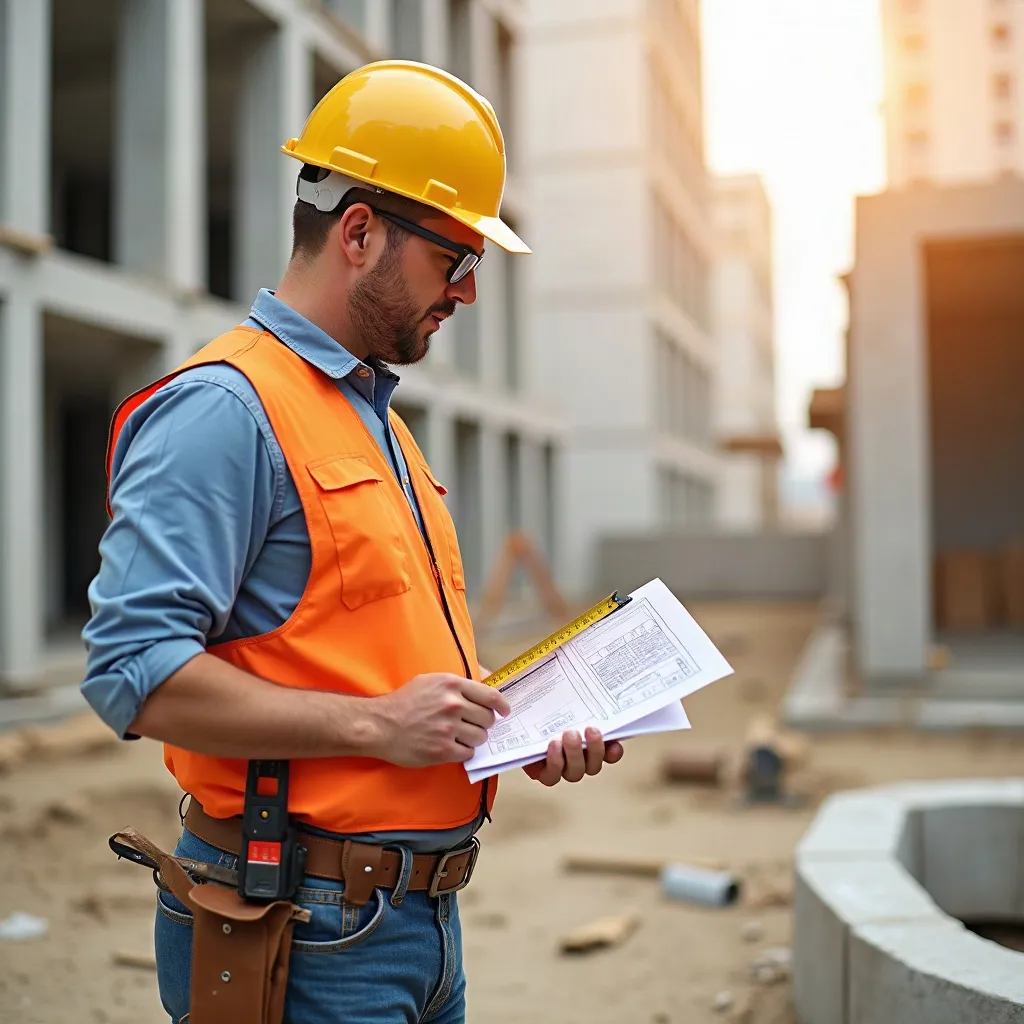
What Does a General Contractor Handle?
A general contractor manages the diverse facets of a construction project, ensuring that everything runs smoothly from opening to closing. They serve as the primary point of contact, managing interactions between clients, subcontractors, and distributors. This function requires mapping out the project timeline, arranging personnel, and upholding adherence with local building codes and regulations.
General contractors are in charge of acquiring required licenses and arranging inspections, which are essential to maintaining safety and quality standards. They also manage budget planning, material procurement, and overseeing site operations to mitigate any potential delays or issues. In addition, they supervise subcontractors, ensuring that each phase of construction conforms to project specifications and timelines. Overall, a general contractor's knowledge and management abilities are essential to delivering a successful construction project, transforming a client's vision into reality while managing multiple duties and obligations.
Benefits of Employing a General Contractor for Home Remodeling
Bringing on a a skilled builder for home renovations provides many advantages that can substantially enhance the quality and efficiency of the project. General contractors deliver expertise in overseeing projects, guaranteeing timelines are met and materials are distributed efficiently. Their established connections with trade specialists can produce competitive rates and superior workmanship, which in the end saves homeowners time and money.
Furthermore, project managers handle the intricate details of approvals and reviews, limiting potential legal issues. They also deliver a one main contact, facilitating communication and coordination among various trades. This consolidation lowers the likelihood of errors and postponements.
Moreover, their experience allows them to foresee potential challenges, enabling prompt resolutions to keep the project on track. By retaining a general contractor, homeowners can prioritize their vision while enjoying peace of mind, knowing that a professional is supervising every aspect of the renovation.
Debunking Misconceptions About General Contractors
While numerous property owners may believe false notions about contracting experts, understanding the realities can result in more informed decisions. One popular myth is that hiring a general contractor is unnecessary for small projects; nevertheless, their expertise can facilitate even minor renovations, guaranteeing observance with local codes. Another common belief is that general contractors are merely middlemen, but they frequently have in-depth knowledge in various trades, enabling them to coordinate projects efficiently. Additionally, some homeowners believe that working with a contractor will notably increase costs. In fact, a skilled contractor can often negotiate better costs for materials and labor due to established relationships with vendors and subcontractors. Lastly, many consider that general contractors are inflexible, but dependable contractors value client communication and collaborate closely to address unique needs. Resolved myths can empower clients to capitalize on the genuine value of general contractors in achieving productive home projects.
How to Choose the Right General Contractor?
How can property owners guarantee they select the right general contractor for their projects? The process begins with thorough research. Homeowners should seek suggestions from friends, family, and online reviews to identify potential candidates. Once a compilation is created, verifying qualifications, such as licensing, insurance, and bonding, is essential to confirm legitimacy.
Next, homeowners should request and review portfolios of previous work, focusing on work of comparable scale. Setting up interviews allows clients to determine suitability, discussing timelines, budgets, and expectations. It's also prudent to obtain multiple quotes for comparison, delivering a clear understanding of pricing.
Assessing references provides insight into a contractor's dependability and expertise. Ultimately, following your intuition is crucial; an opening discussion can expose a contractor's communication style and approach. By following these steps, homeowners can significantly boost their likelihood of picking a general contractor who suits their project needs and vision.
Optimal Interaction Approaches When Working With Your General Contractor
How might homeowners implement approaches to maintain strong dialogue with their general contractor? Establishing clear interaction from the commencement is critical. Homeowners must explicitly state their goals, project targets, and financial limits during initial meetings. Regular updates can be promoted through planned discussions, making certain that both parties stay coordinated throughout the project.
Leveraging documentation records, like email exchanges and project logs, reinforces verbal agreements and reduces confusion. Homeowners should equally support transparent communication by welcoming feedback and questions from the contractor, building a cooperative environment.
Furthermore, capitalizing on tech solutions, including project management apps, can ease team dialogue by creating a centralized platform for conveying updates, timelines, and changes. Finally, maintaining respect and openness can strengthen mutual understanding, making it easier for the contractor to discuss challenges or suggestions with success. By executing these techniques, homeowners can nurture a productive and transparent relationship with their general contractor.
What You'll Learn When Your Undertaking Launches?
As the project starts, homeowners can look forward to a flurry of activity on-site. The lead contractor will manage squads of experienced workers, along with electricians, plumbers, and carpenters, who will begin their work per the set schedule. Homeowners may witness heavy machinery and materials being delivered, fostering a vibrant atmosphere.
Clear communication is vital during this period. The contractor will inform advancements and resolve any issues that arise. Homeowners should prepare for potential interruptions, such as acoustic disturbances and limited access to certain areas of the home.
Safety measures will be in place to safeguard both workers and residents, ensuring a secure setting. Additionally, homeowners may be encouraged to preserve flexibility, as unforeseen issues can arise, requiring adjustments to the original plan. Overall, this initial phase lays the groundwork for the successful completion of the project, and active engagement is essential.
Essential Questions for Your General Contractor Contract?
Pinpointing the right topics to discuss when finalizing a general contractor agreement is imperative for securing a streamlined project. Homeowners should seek clarity about the contractor's certification and safeguard to validate their standing and protection against liabilities. Understanding the project schedule and targets is important; therefore, asking about estimated completion dates helps shape expectations.
It is also vital to define financial conditions, encompassing deposit amounts and payment schedules, to sidestep miscommunications. Residents should seek a detailed breakdown of costs, embracing components and services, to guarantee transparency. Moreover, talking through the method for dealing with changes or unexpected complications can thwart conflicts afterwards.
Finally, homeowners must obtain information regarding subcontractors and their credentials, as well as the contractor's review communication strategy throughout the project. By exploring these topics, property owners can create a strong partnership with their main contractor, ultimately producing a successful home project.
Common Inquiries Asked Often
In What Fashion Do General Contractors Charge for Their Work?
General contractors commonly bill via set fees, hourly rates, or a percentage of the total project cost. Their pricing may further encompass supplies needed, labor, and indirect costs, determined by the level of complexity and project scope.
Can a General Contractor Help With Licenses and Inspections?
Yes, a construction professional can assist with securing permits and conducting inspections oversight. They typically work through local codes and ensure regulatory adherence, simplifying the workflow for homeowners while facilitating necessary authorizations throughout the building endeavor.
What Qualifications Should I Identify in a General Contractor?
When hiring a construction firm, one should review qualifications such as valid licensing, comprehensive insurance, experience in relevant projects, strong references, and strong interpersonal abilities, confirming they demonstrate the necessary expertise to manage the project with success.
How Much Time Does a Standard Home Renovation Job Need?
A ordinary home remodeling job can span anywhere from a few weeks to several months, contingent upon the scope, difficulty, and size of the project, as well as the supply of materials and labor.
What Happens if My Assignment Goes Over Budget?
If a project goes over budget, the contractor typically discusses the reasons and options with the homeowner. Adjustments may include reducing scope, obtaining more funds, or modifying the project parameters to align with budget constraints.
Report this page