Powell River Top General Contractor for Quality Workmanship
Powell River Top General Contractor for Quality Workmanship
Blog Article
General Contractor: Your Valuable Partner for Home Endeavors
A general contractor plays an essential role in residential construction. They oversee different elements of building work, ensuring that everything runs smoothly. Their expertise in construction regulations and regulations allows them to navigate the complexities of permits and inspections. This professional serves as a vital link between clients and specialized tradespeople. However, many homeowners stay unsure about the full scope of their services. Comprehending these details can greatly impact the outcome of any remodeling endeavor.
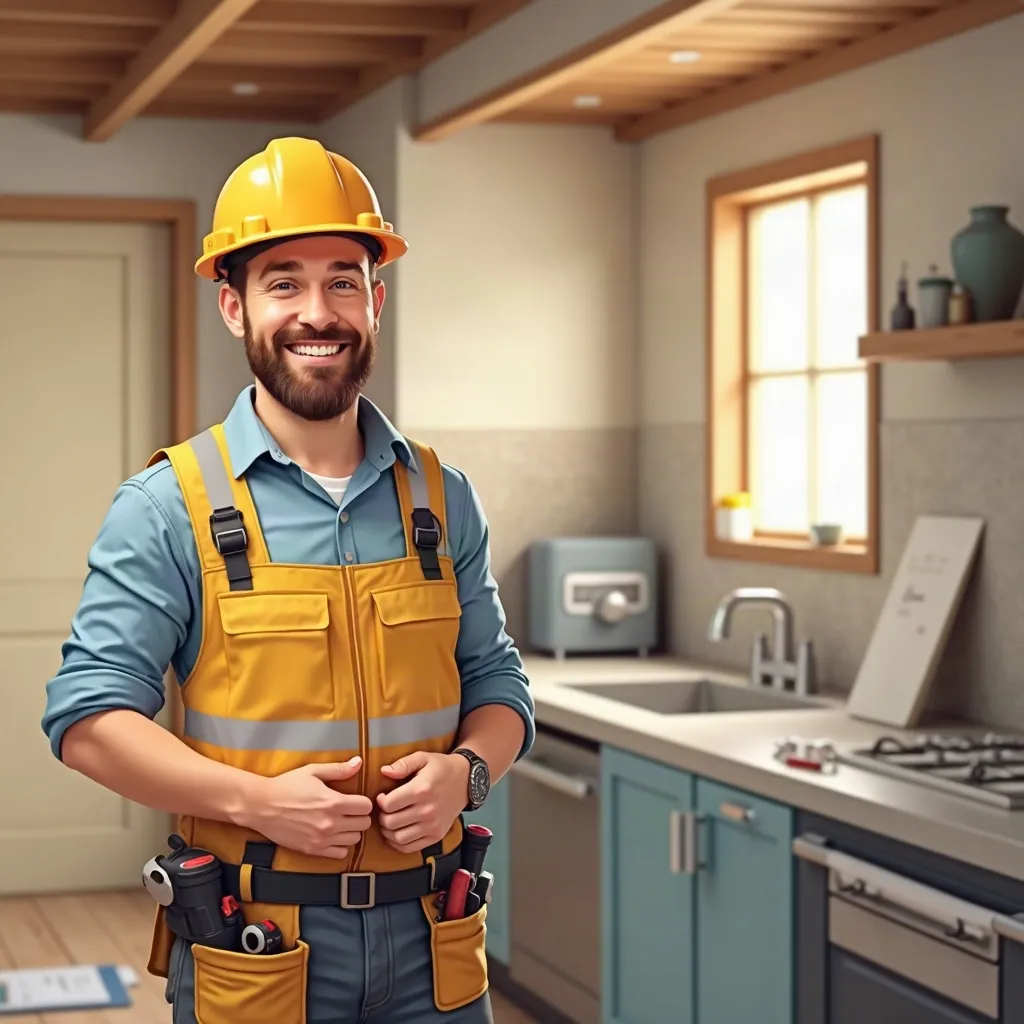
How Do a General Contractor Contribute?
A construction coordinator orchestrates the various elements of a construction project, ensuring that all operations flow without issue from opening to closing. They serve as the main point of contact, managing interactions between stakeholders, subcontractors, and suppliers. This role involves planning the construction calendar, coordinating labor, and ensuring adherence with municipal construction standards and regulations.
General contractors are in charge of obtaining necessary permits and scheduling inspections, which are essential to upholding safety and quality benchmarks. They also handle budget planning, material procurement, and overseeing site operations to mitigate any potential delays or issues. In addition, they oversee subcontractors, making sure that each phase of construction aligns with project specifications and timelines. Overall, a general contractor's expertise and organizational skills are crucial for completing a successful construction project, turning a client's vision into reality while managing multiple duties and obligations.
Advantages of Working with a General Contractor for Residential Updates
Engaging a a skilled builder for house remodeling provides numerous perks that can substantially enhance the efficiency and quality of the job. Experienced contractors offer expertise in project management, ensuring that timelines are met and materials are managed effectively. Their long-standing relationships with trade professionals can produce competitive pricing and superior workmanship, which ultimately benefits property owners by saving both time and money.
Additionally, general contractors coordinate the intricate details of permits and inspections, minimizing potential legal issues. They also establish a single point of contact, simplifying communication and coordination among assorted contractors. This efficiency reduces the risk of misunderstandings and delays.
Furthermore, their experience enables them to foresee possible issues, enabling preventative measures to maintain the project on track. By hiring a general contractor, homeowners can concentrate on their vision while enjoying peace of mind, knowing that a professional is overseeing every aspect of the renovation.
Debunking Myths About General Contractors
While many homeowners may believe false notions about contracting experts, understanding the realities can result in more sound decisions. One common myth is that hiring a contractor is not required for minor projects; nevertheless, their know-how can streamline even small-scale renovations, guaranteeing observance with local codes. Another widespread belief is that contractors are merely middlemen, but they frequently have in-depth knowledge in several disciplines, enabling them to coordinate projects competently. Additionally, some homeowners believe that working with a contractor will notably increase costs. In fact, a skilled contractor can often negotiate better pricing for materials and labor due to established relationships with suppliers and subcontractors. Lastly, many consider that contractors are inflexible, but reputable contractors value client communication and collaborate closely to address unique needs. Resolved myths can empower clients to capitalize on the true value of contractors in achieving successful home projects.
Identifying the Most Suitable General Contractor?
How can homeowners guarantee they select the ideal construction professional for their undertakings? The approach begins with thorough research. Homeowners should seek recommendations from friends, family, or online reviews to locate potential candidates. Once a list is assembled, confirming credentials, such as licensing, bonding, and insurance, is essential to confirm credibility.
Next, homeowners should request and review collections of past projects, concentrating on assignments of comparable size. Setting up interviews allows property owners to gauge compatibility, discussing timelines, budgets, and expectations. It's also advisable to obtain multiple quotes for evaluation, providing a better grasp of expenses.
Assessing references gives perspective on a contractor's dependability and expertise. Finally, trusting one's instincts is essential; an initial meeting can expose a contractor's communication style and approach. By implementing these procedures, homeowners can markedly increase their odds of choosing a general contractor who matches their project needs and vision.
Best Interaction Approaches Partnering Alongside Your General Contractor
How can homeowners employ approaches to secure effective communication with their general contractor? Creating transparent communication from the outset is essential. Homeowners must distinctly articulate their requirements, project objectives, and budget constraints during preliminary talks. Ongoing discussions can be facilitated through arranged gatherings, confirming that both parties stay coordinated throughout the project.
Written documentation, including email records and project logs, helps reinforce verbal agreements and reduces miscommunications. Homeowners should also encourage open dialogue by requesting feedback and questions from the contractor, fostering a collaborative environment.
In addition, tapping into technological tools, such as project management apps, can refine exchange of information by supplying a centralized interface for sharing updates, timelines, and changes. Finally, acting considerate and welcoming can elevate rapport, enabling it easier for the contractor to articulate challenges or suggestions effectively. By applying these strategies, homeowners can create a productive and forthright relationship with their general contractor.
What to Ready Yourself When Your Undertaking Commences?
When the project gets underway, homeowners should prepare for a wave of activity on-site. The general contractor will oversee groups of qualified craftspeople, including electricians, plumbers, and carpenters, who will commence their labor in accordance with the agreed-upon schedule. Homeowners may observe heavy machinery and materials being transported, creating a bustling environment.
Remaining in communication is essential during this period. The contractor will share updates on how things are progressing and address any concerns that surface. Homeowners should ready themselves for likely disruptions, such as noise and limited passage to particular areas of the home.
Safety safeguards will be in place to protect both workers and residents, providing a secure atmosphere. Additionally, homeowners may be urged to keep flexibility, as unanticipated challenges can arise, demanding adjustments to the original plan. Overall, this initial phase establishes the foundation for the successful completion of linked resource the project, and active engagement is essential.
Fundamental Concerns for Your General Contractor Agreement?
Pinpointing the right matters to ask when completing a general contractor agreement is fundamental for assuring a streamlined project. Homeowners should inquire about the contractor's authorization and safeguard to verify their qualifications and protection against exposure. Understanding the project calendar and benchmarks is critical; therefore, asking about projected completion dates helps manage expectations.
It is also paramount to communicate payment terms, such as deposit amounts and payment plans, to ward off misconceptions. Homeowners should procure a granular analysis of outlays, highlighting materials and labor, to assure accountability. Concurrently, deliberating on the process for addressing alterations or surprise difficulties can avert disagreements subsequently.
Lastly, property owners must inquire into the qualifications of subcontractors, as well as the communication approach of the contractor throughout the project. By addressing these questions, homeowners can foster a productive relationship with their general contractor, ultimately leading to a successful home project.
Frequently Requested Questions
In What Manner Do General Contractors Charge for Their Services?
Contractors usually charge through fixed fees, time-based pricing, or a percentage of the total project cost. Their pricing model may include materials, labor, and business expenses, based on the intricacy and breadth of the project.
Can a General Contractor Help With Licenses and Inspections?
Yes, a general contractor can aid in securing permits and overseeing inspections. They typically handle local regulations and ensure adherence, simplifying the workflow for homeowners while facilitating necessary authorizations throughout the construction project.
What Competencies Should I Review in a General Contractor?
When picking a construction firm, one should review professional credentials such as licensing, comprehensive insurance, background with comparable initiatives, strong references, and strong interpersonal abilities, ensuring they possess the essential qualifications to manage the project with success.
What Duration Should You Anticipate for a Typical Home Renovation Venture?
A standard home remodeling undertaking can take anywhere from a few weeks to several months, based on the scope, complexity, and size of the project, as well as the accessibility of materials and labor.
What Occurs if My Initiative Overshoots Spending Cap?
Should a project go over budget, the builder typically discusses the reasons and options with the property owner. Adjustments may include scaling back, seeking additional funding, or revising the project scope to align with budget constraints.
Report this page